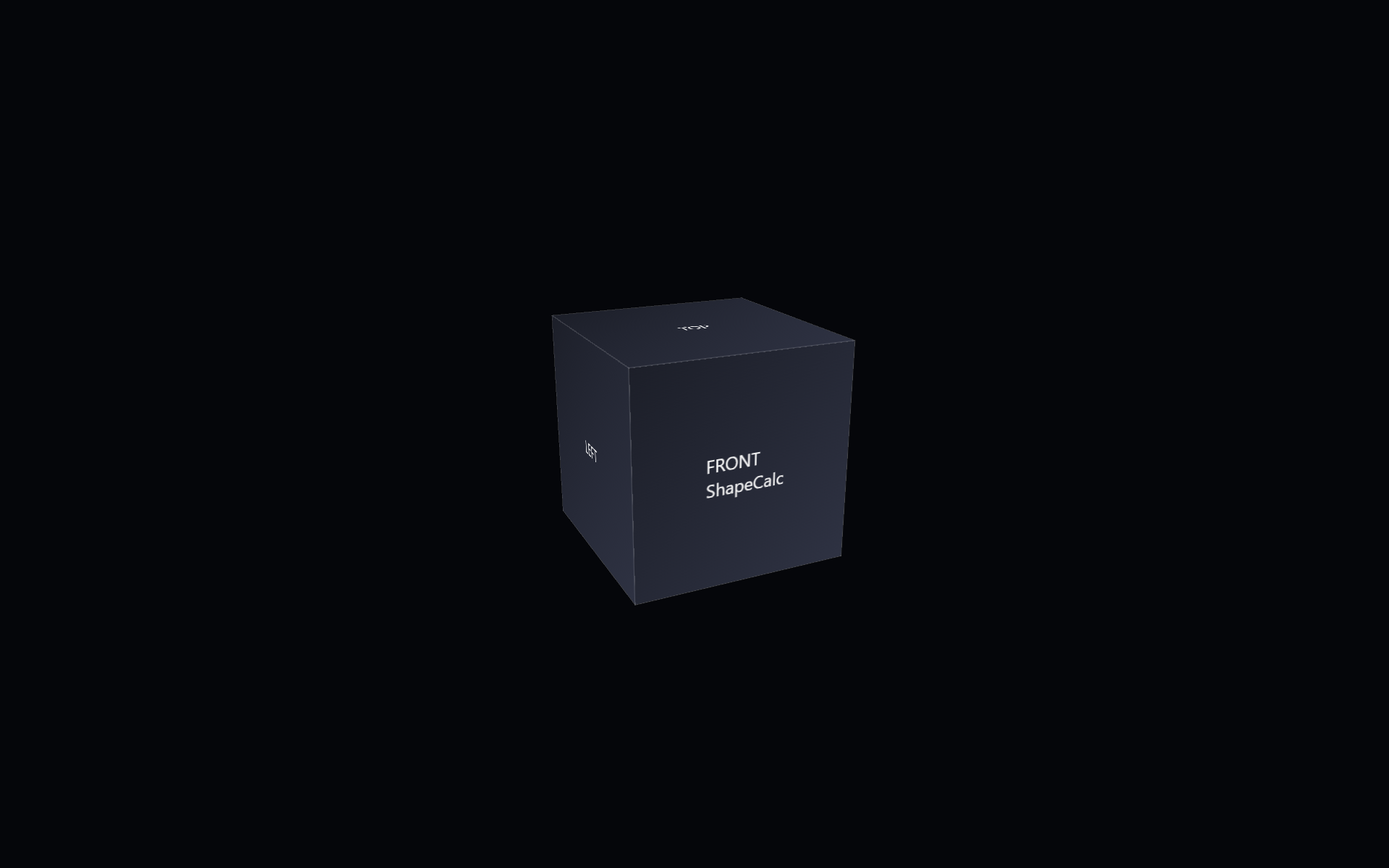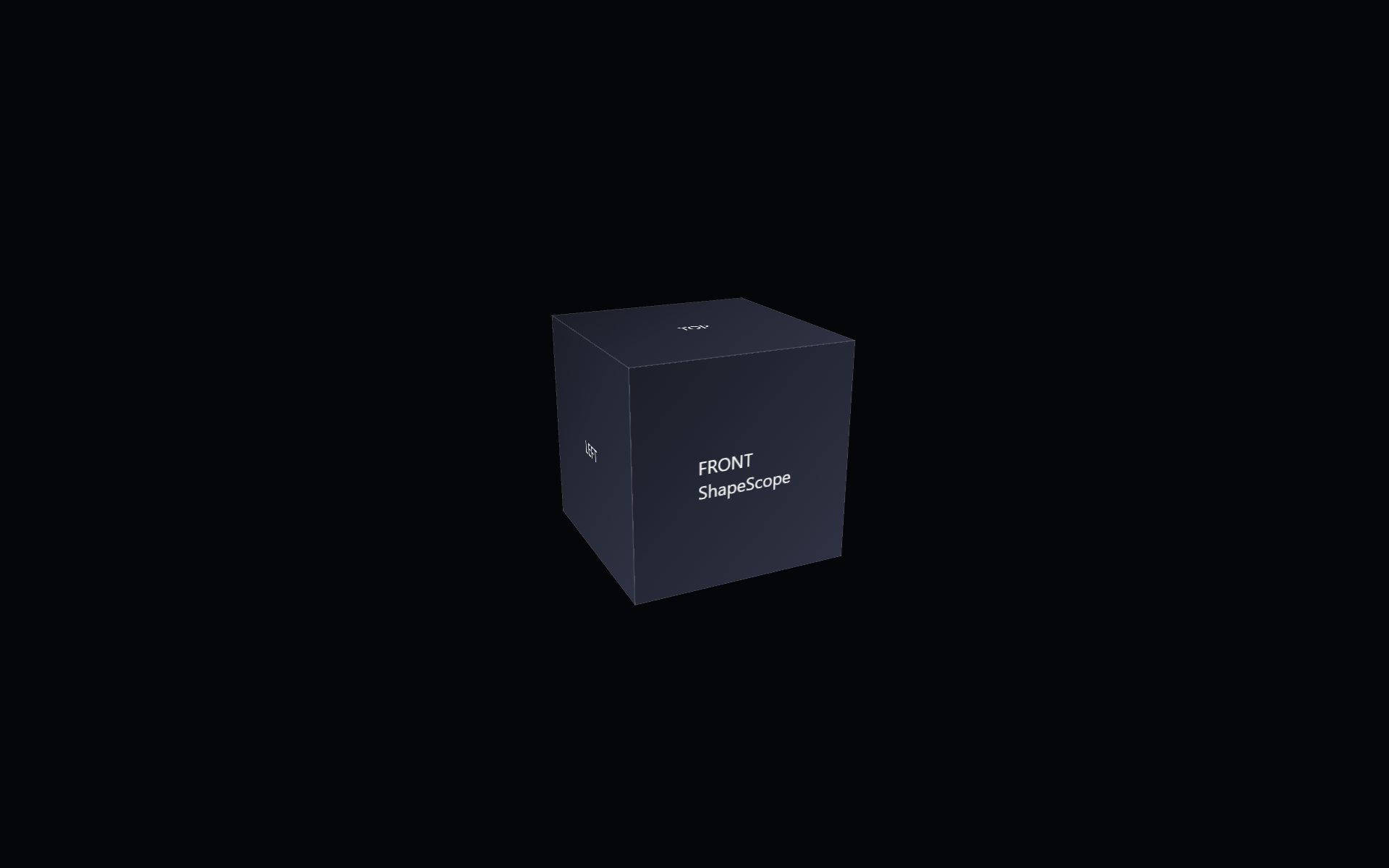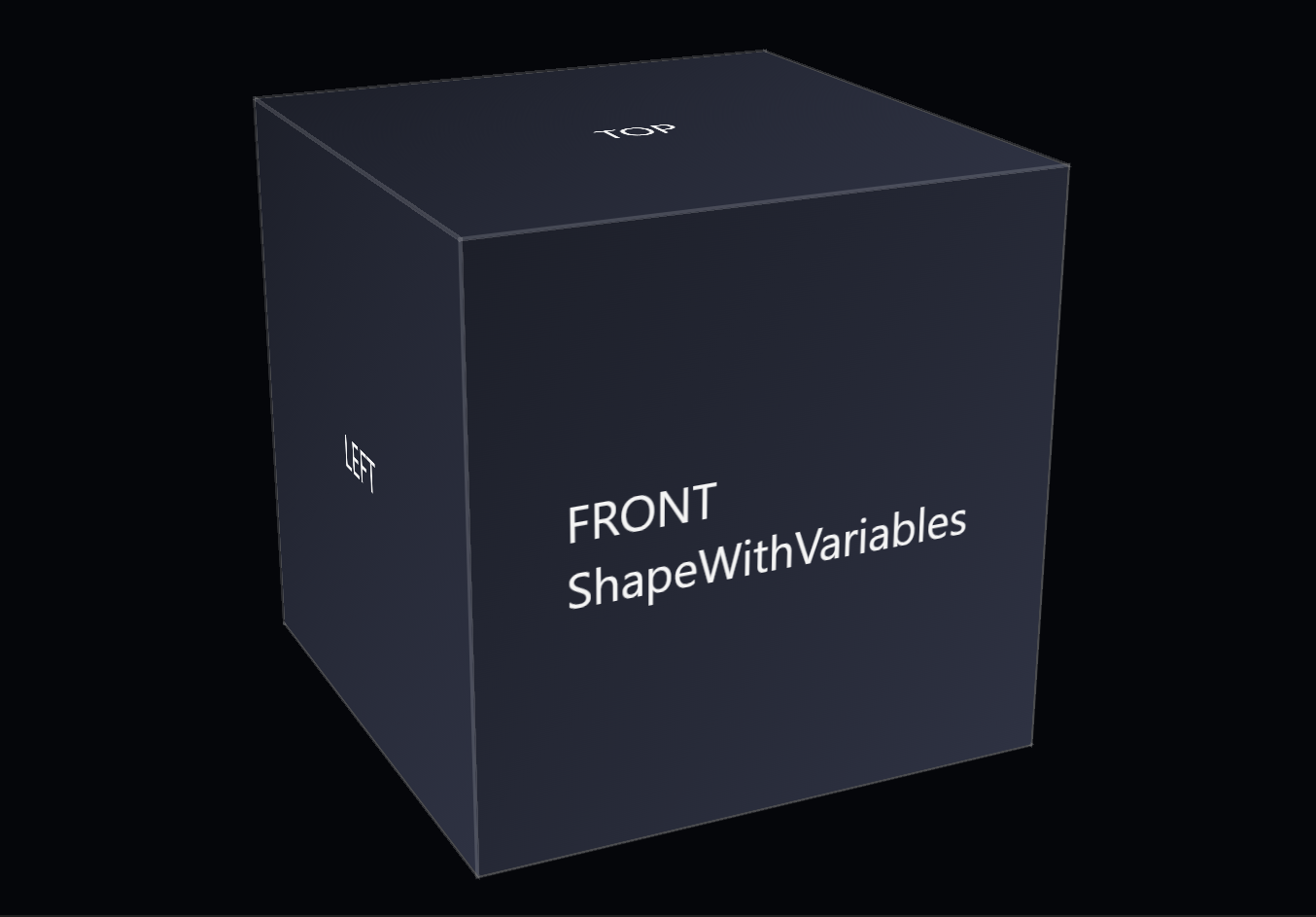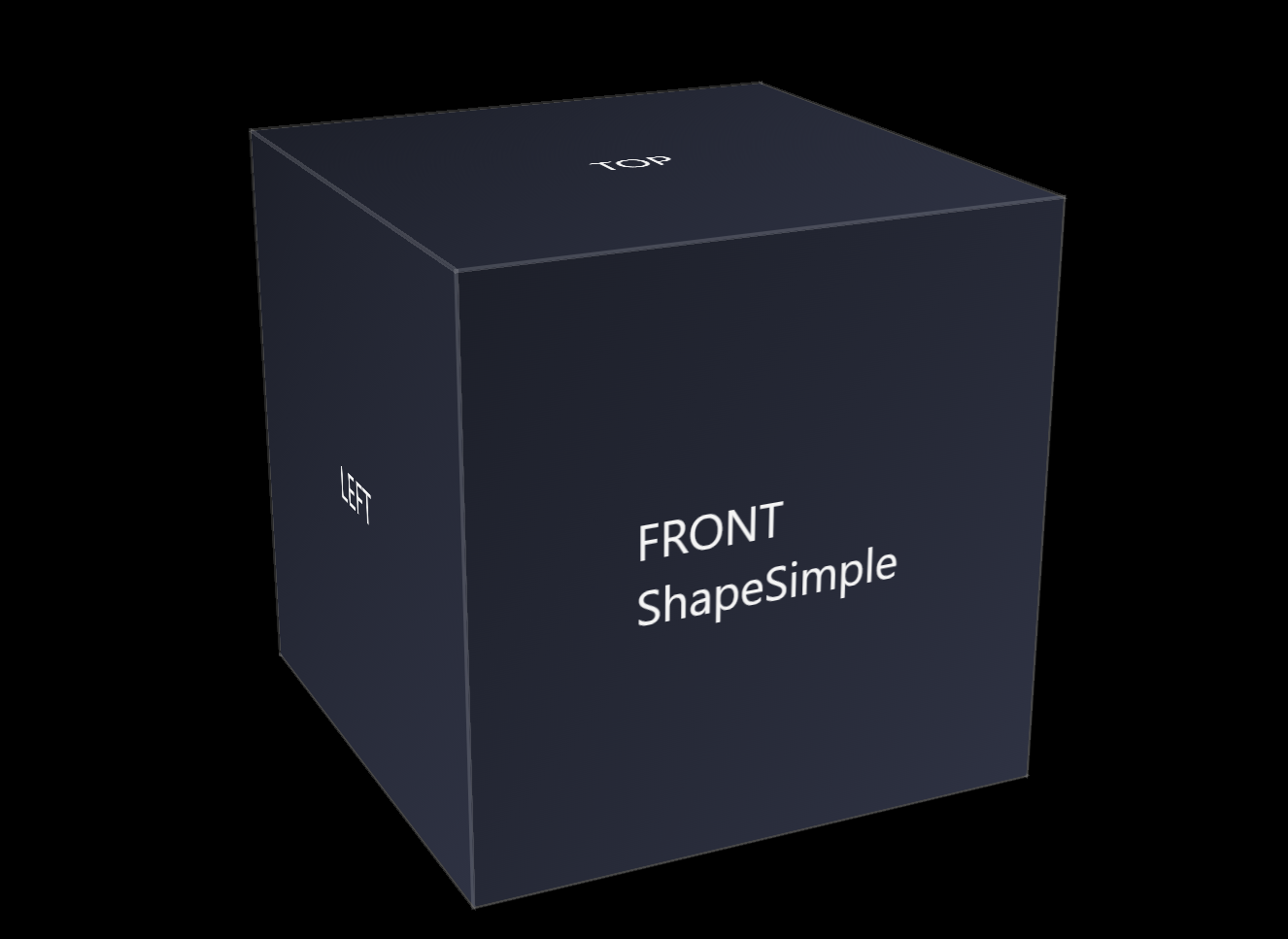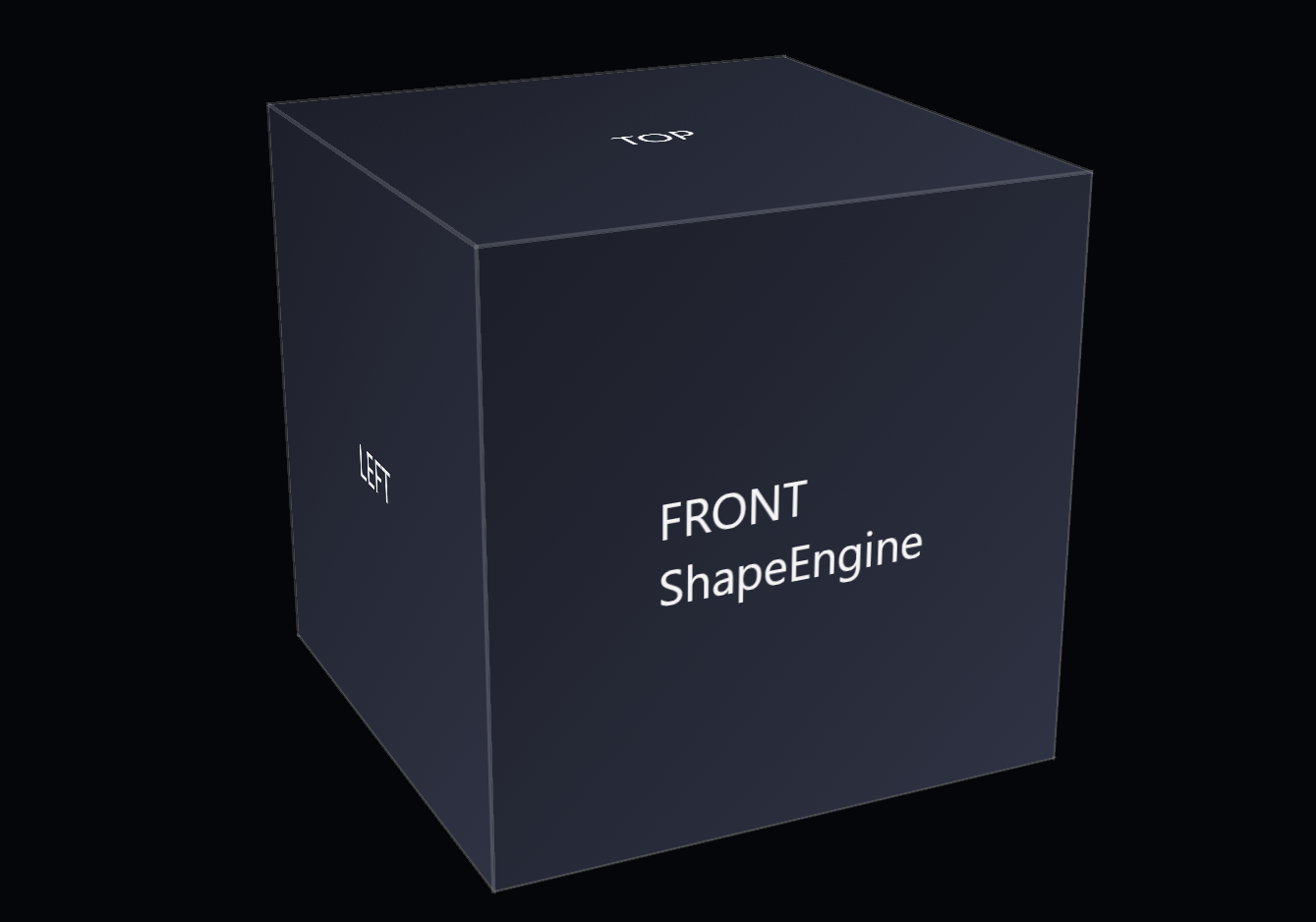
Shape Pack 2 continues the progression started in the first pack, but shifts the focus from building a shape to strengthening how that shape behaves as a component. While Shape Pack 1 explored structure, variables, and internal organization, Shape Pack 2 introduces two modern CSS features—@scope and function()—and turns the shape into a more modular, adaptable system.

Each step in the pack isolates a single improvement, making it easy to see how the component changes as new CSS features come into play. The examples stay small and readable, but now they highlight how scoping, functional values, and other modern tools can shape behavior without adding weight or complexity.
The format remains straightforward. Every component includes its own HTML and CSS, along with a short explanation of the feature introduced in that step. You can move through the pack in sequence or jump to the parts you’re curious about. And like the first pack, Shape Pack 2 stays framework‑agnostic, so you can drop the pieces into any project or use them as a reference on their own.
Shape Pack 2 builds on the foundation established in Shape Pack 1 and shows how a shape can evolve through small, focused enhancements. Each step adds a new capability—scoping, unit‑less values, or functional transforms—while keeping the component clear and approachable. You can use the components directly, adapt them, or treat the pack as a foundation for your own variations. The progression begins with the first component, ShapeScope.